
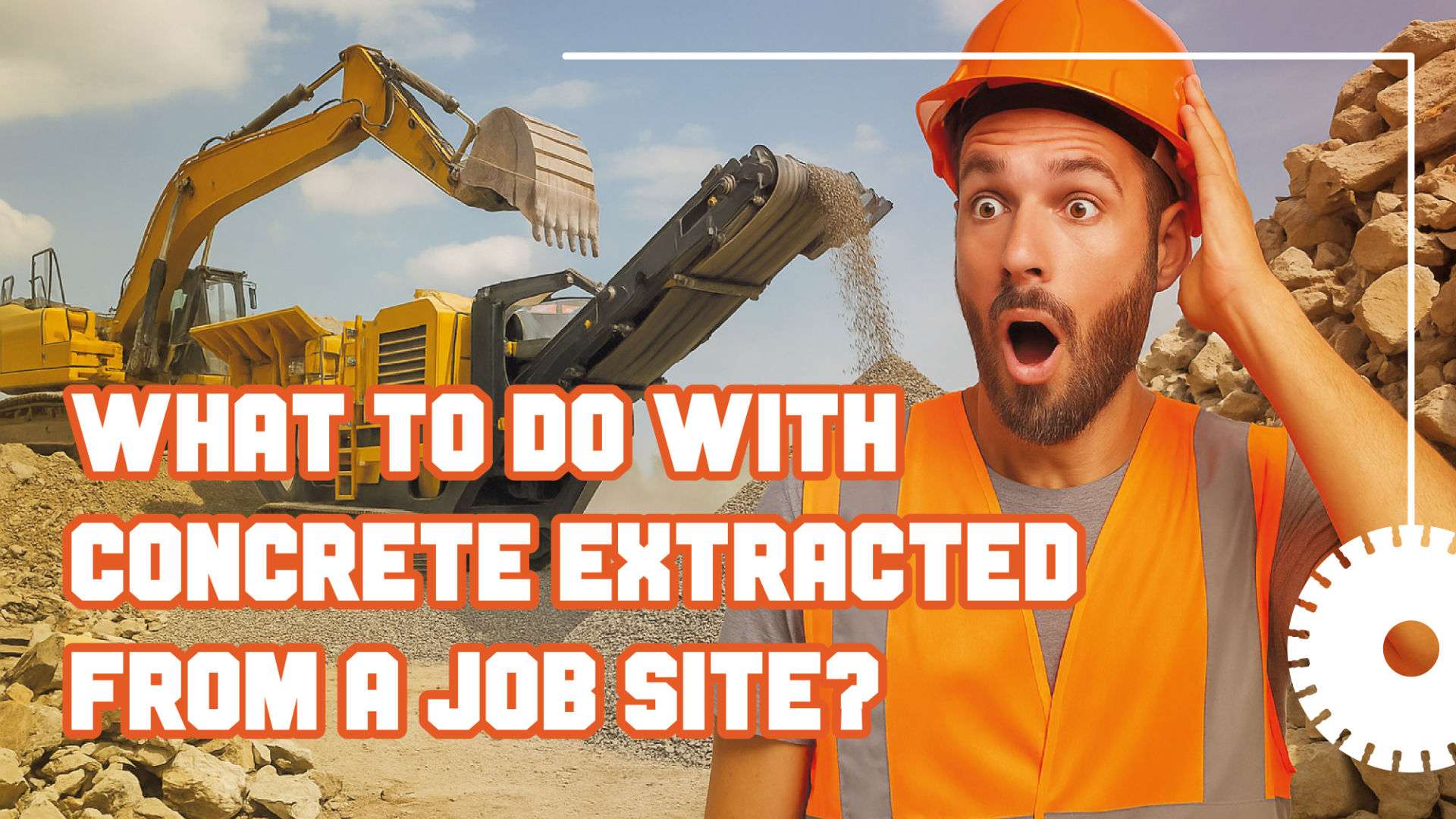
When contractors cut or demolish concrete, many people assume it all ends up as useless rubble. However, the truth is different: this material can have a second life. In addition, cities like Orlando, Florida already use processes that turn concrete into valuable resources for new construction. As a result, recycling concrete is becoming an important part of modern building practices.
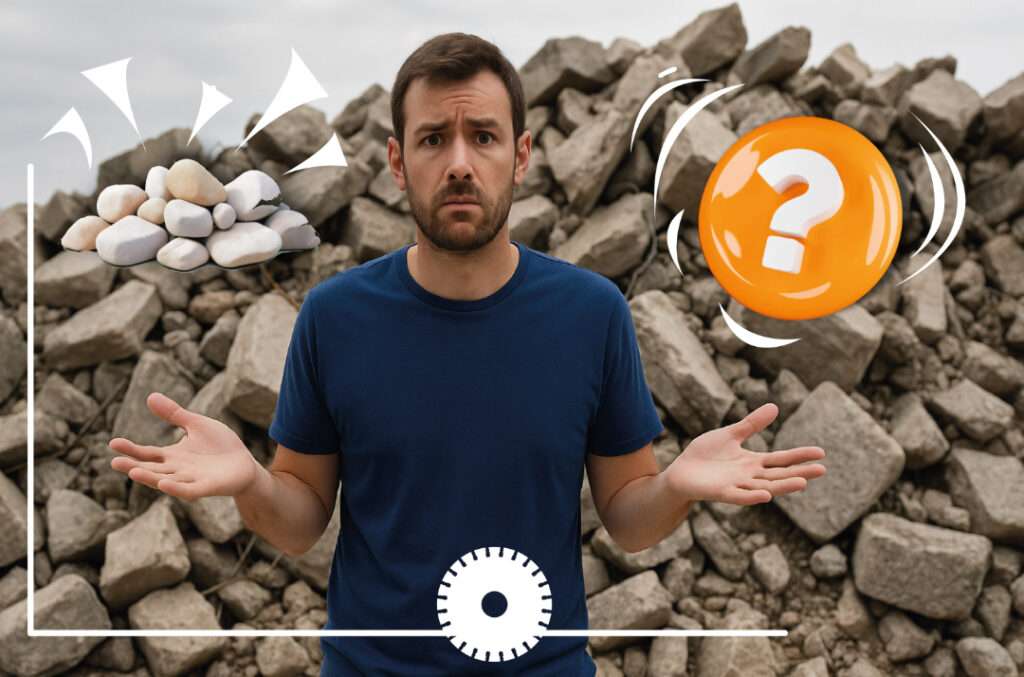
🌍 From Rubble to Valuable Resource
Extracted concrete goes through a transformation cycle:
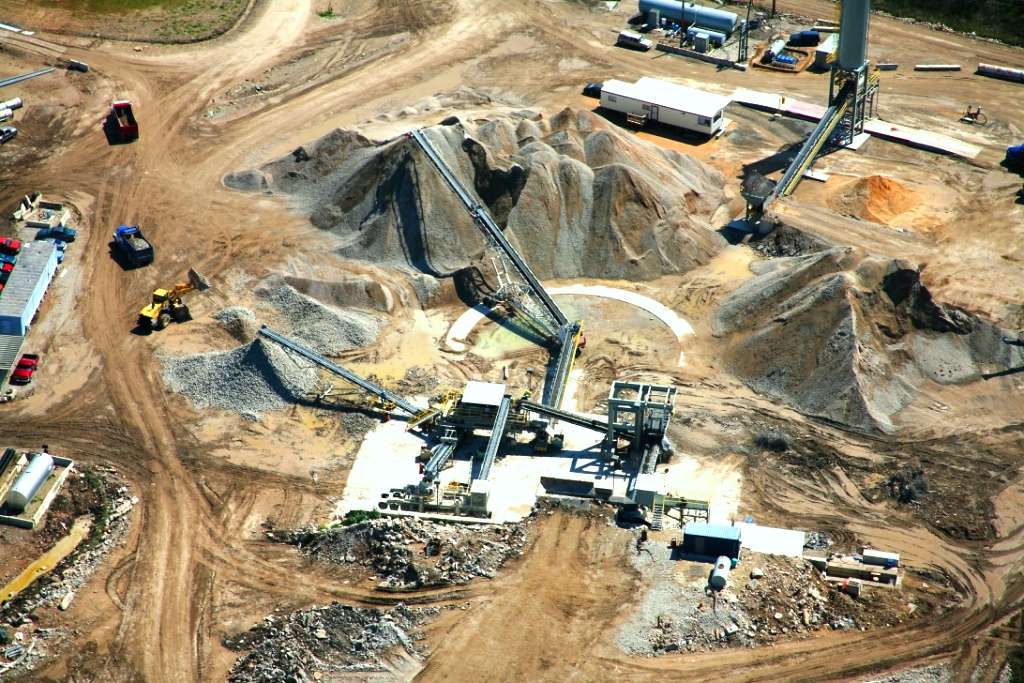
- Crushing and screening: broken down into smaller fragments and sorted by size.
- Impurity separation: metals, plastics, and other debris are removed.
- Conversion into recycled aggregates: gravel or sand that can then be used for:
- Road and parking lot bases.
- Structural fill in developments.
- Blocks and eco-friendly concrete mixes.
- Road and parking lot bases.
📌 Real examples
- In Houston, Texas, crushed concrete is reused in local roads, and in Denmark, the Copenhagen Metro recovered tons of demolished concrete to reintegrate into new structures.
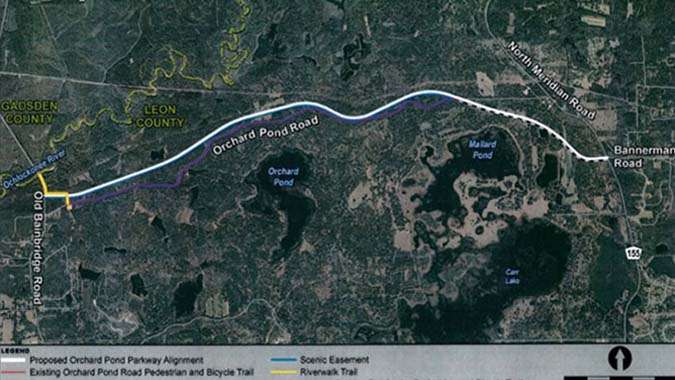
- In Tallahassee, Florida, the Orchard Pond Parkway (CR 0344) project used approximately 45,000 tons of recycled concrete in its construction.
🚫 The Problem of Not Recycling
Not every company follows this process. Sometimes concrete ends up in landfills or buried to “get rid of it,” which leads to:
- Environmental and visual pollution.
- Loss of reusable resources.
- Greater reliance on virgin aggregates and higher long-term costs.

Every cubic meter of concrete not recycled means more CO₂ in the air and more damage to the environment.
✅ Our Way of Working
At Helder’s Concrete Cutting, we know the difference is in the details:
- We cut with water, reducing dust and protecting everyone’s health.
- We send all material for recycling, ensuring it re-enters the construction cycle.
- We are punctual, clean, and responsible, because we know time and trust are invaluable.

What in many places is already a trend —like in Houston or Copenhagen— we apply every day: turning waste into opportunities.
👉 Ready for your next project? Contact us today and request your free quote.